

Reliable pre-verification, DataFlow, QuadraBay, MOHESR equivalency, certificate attestation, and educational consultancy services for healthcare professionals across the UAE and GCC.
 Explore More







 & Pre-Verification Experts
Offering Quality Management Services for Pre-Verification and verification, DataFlow Group Verification, QuadraBay Verification, MOHESR Equivalency, Certificate Attestation and Educational Consultancy Services for Nurses, Doctors and Healthcare Professionals for Employment and Higher Education in UAE and GCC Countries.
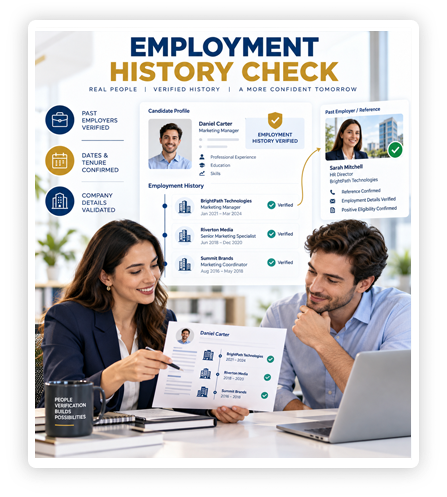
Employment verification is the process of confirming a candidate’s previous or current employment history. This typically involves contacting past employers to verify details such as
This step is critical for ensuring the candidate’s work experience is genuine and as claimed. It helps employers avoid hiring candidates with falsified resumes, ensures proper role alignment, and protects organizational integrity.

Education verification involves validating the academic qualifications provided by a candidate. This process may include:
This verification is essential for roles requiring specific qualifications or technical skills, helping employers avoid fraudulent educational claims.
Salary verification confirms the previous salary details provided by the candidate. Employers may request:
Salary verification helps employers determine the fairness of salary negotiations, and it can also serve as an indirect check of employment history.


This process involves collecting feedback from previous HR departments about a candidate. Areas typically covered include:
HR feedback provides qualitative insights that go beyond dates and job titles, helping employers assess cultural fit and potential risks.
Assistance A police clearance certificate is an official document issued by government authorities confirming that the individual has no criminal record. PCC assistance includes:
PCCs are often required for jobs involving sensitive data, international travel, or work with vulnerable populations.

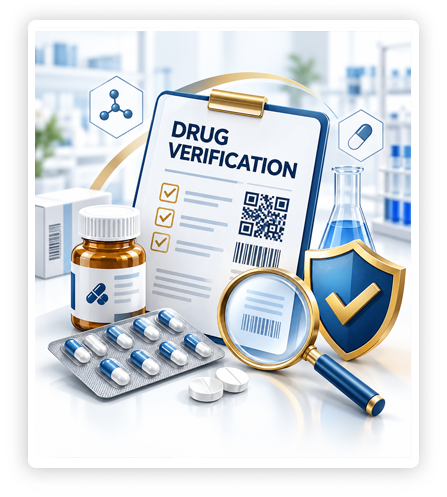
Drug verification involves screening candidates for illegal substances or controlled drugs. This may include:
Drug testing is critical in industries where safety is paramount, such as transportation, healthcare, and manufacturing.
The Universal Account Number (UAN) is linked to an individual's Employee Provident Fund (EPF) in India. Employment history check via UAN includes:
This method provides a government-backed, tamper-proof record of employment history.
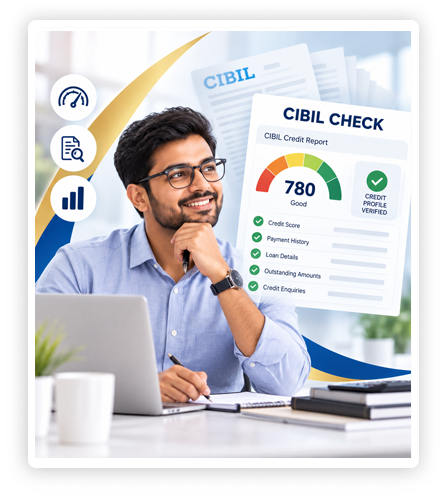
CIBIL Check refers to obtaining a credit report from the Credit Information Bureau (India) Limited (CIBIL). This report shows:
CIBIL checks are often used for roles involving financial responsibility or access to sensitive financial data.
Social media background checks involve reviewing a candidate’s public online presence to assess:
While respecting privacy and legal boundaries, this check helps organizations prevent reputational harm.

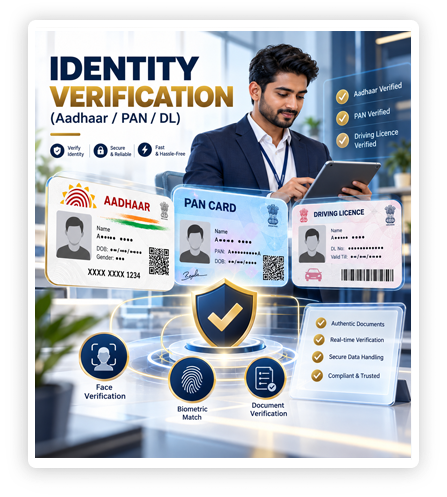
Identity verification is the process of confirming the authenticity of:
This is done by cross-checking provided documents with government databases. It helps prevent identity fraud and ensures compliance with KYC (Know Your Customer) norms.
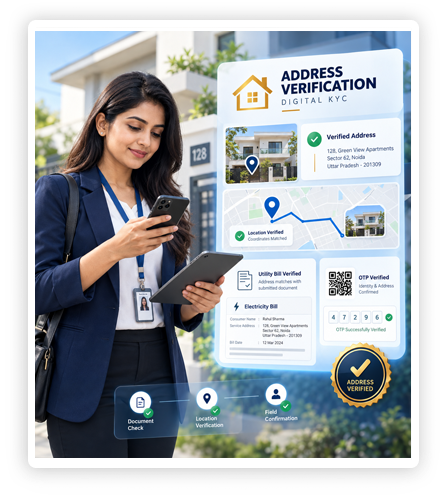
Address verification confirms that a candidate resides at the address they have provided. Digital KYC (Know Your Customer) methods may include:
This is essential for due diligence, legal compliance, and logistical planning.

A criminal court record check involves searching public court databases and records to identify any history of:
This helps employers minimize legal risk and ensure workplace safety, especially for roles of trust or responsibility. Importance of Comprehensive Background Checks Comprehensive background verification is a cornerstone of modern HR practices. Here’s why these checks are vital:

By verifying all aspects of a candidate’s background, employers can avoid costly hiring mistakes.
Many industries, such as finance and healthcare, require thorough checks to comply with legal standards.
HR and social media checks help maintain organizational values and prevent cultural mismatches.
Criminal, drug, and CIBIL checks protect organizations from fraud, theft, or financial mismanagement.
A rigorous process filters out unqualified or dishonest applicants, raising the overall standard of hires.
A typical background verification workflow may look like this: